







Search Results for: Blue Mountain Geisha
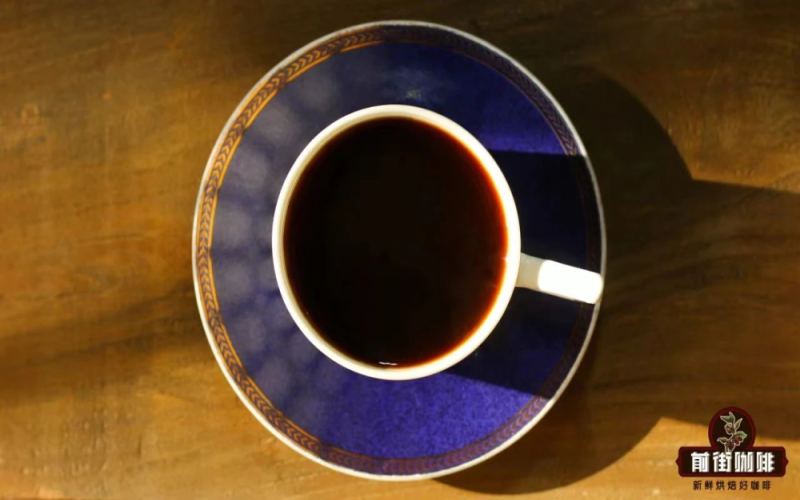
Geisha vs. Blue Mountain Coffee Beans: Which Is More Worth Tasting? The Correct Way to Drink Authentic Blue Mountain Coffee
In the world of specialty coffee, Geisha and Blue Mountain are often compared. Younger coffee enthusiasts tend to regard Panama Geisha as the gold standard, while veteran coffee drinkers have a particular fondness for Jamaican Blue Mountain. Both are crowned with the title of "top-tier coffee," and both naturally come with hefty price tags—but what exactly sets them apart? If you want to taste an authentic cup of Blue Mountain or Geisha coffee, how much will it cost you? This article takes a deep dive into the origins, grading systems, and flavor profiles of these two legendary coffee beans, and also brings you Front Street Coffee's Blue Mountain No. 1 recommendation, while teaching you how to properly enjoy a cup of authentic Blue Mountain. [more…]

Jamaica Blue Mountain Geisha vs. Classic Blue Mountain: A Comparative Analysis of Natural Processing and Clifton Estate Innovation
In 2020, Jamaica's Clifton Estate broke the decades-old tradition of Blue Mountain coffee, not only launching sun-dried Blue Mountain on a large scale, but also cultivating and exporting the Geisha variety for the first time. This batch of Blue Mountain Geisha was packaged in wooden barrels, produced in scarce quantities, and carries Rainforest Alliance certification. This article will present Front Street Coffee's exploration of this innovative batch in full, from the estate's history, the origins of the Geisha variety, the washed processing method, and the roasting curve, to cupping and brewing insights. Just what kind of flavor will the combination of Blue Mountain and Geisha bring? How does one choose between the traditional Blue Mountain taste and Geisha's floral aroma? Let us taste and see together. [more…]
Analysis of Flavor Differences Between Blue Mountain Geisha and Blue Mountain No. 1: Cupping and Brewing of Clifton Estate's Innovative Creation
In 2020, Jamaica's Clifton Estate did something that broke with tradition—it planted Geisha in the Blue Mountain region. This rare lot of Blue Mountain Geisha was washed-processed and exported in wooden barrels, and Front Street Coffee obtained it right away and completed the roasting and cupping. This article covers the estate's history, the motivations behind this Blue Mountain innovation, the origins of the Geisha variety, the processing method, the roasting curve, and the brewing parameters, offering a complete breakdown of this coffee's flavor expression and answering how it differs in taste from the classic Blue Mountain No. 1, providing coffee lovers with a detailed tasting reference. [more…]
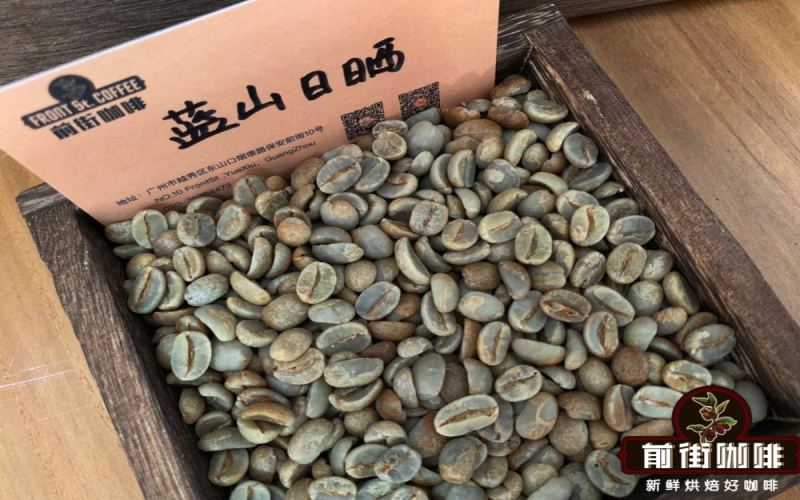
In-Depth Analysis of Clifton Mount Blue Mountain Geisha: Green Bean Grading Rules and Flavor Cupping Comparison
In 2020, the news that Clifton Mount Estate was launching a Blue Mountain Geisha sparked heated discussion in the coffee community: if Geisha is grown in the Blue Mountain region, does it still count as Blue Mountain coffee? This article first introduces readers to the terroir of authentic Blue Mountain, the grading standards from NO.1 to NO.3 and PB peaberry, and the estate's cultivation history and Rainforest Alliance certification; then Front Street Coffee will compare Blue Mountain Geisha and traditional washed Blue Mountain one by one, from variety origin, roasting curve, and cupping performance to V60 brewing, clearly presenting the differences between the two in floral aroma, nuttiness, and body. If you want to understand whether this innovative bean is worth trying, you may find the answer in this article. [more…]
Coffee Varieties | What are the characteristics of Geisha coffee and Blue Mountain coffee? What flavors and mouthfeel do Boquete Geisha and Washed Blue Mountain No. 1 present after brewing?
In the past, when people mentioned the best coffee in the world, the first thing that came to mind was Blue Mountain coffee. Nowadays, when talking about the pinnacle of coffee, one varietal is almost always mentioned—Geisha. So, which is better tasting, Blue Mountain or Geisha? At Front Street Coffee, we believe that tastes differ, and some people prefer the mellow sweetness of Blue Mountain coffee. [more…]
Flavor Differences Between Jamaican Blue Mountain Geisha Coffee Beans and Panamanian Geisha, and Front Street Brewing Analysis
In 2020, Jamaica's Clifton Estate broke with tradition, not only launching sun-dried Blue Mountain in batches but also cultivating and exporting Blue Mountain Geisha for the first time. This scarce bean is packaged in wooden barrels and carries Rainforest Alliance certification. Front Street Coffee obtained samples right away and found that it is washed-processed and medium-light roasted, cupping with citrus, berry, and jasmine aromas. So, how exactly does it differ from Panama Geisha? This article will compare variety history, growing altitude, processing method, and brewing parameters, and share Front Street's roasting and pour-over insights. [more…]
Geisha Coffee or Blue Mountain Coffee: Which Is More Worth Drinking? A Flavor Profile and Brewing Comparison of Two Top-Tier Beans
In the world of specialty coffee, Geisha and Blue Mountain are often compared. Blue Mountain coffee is known for its balanced, mellow sweetness, while Geisha is famous for its complex floral and fruity aromas. From the perspective of Front Street, this article sorts out the origin backgrounds, variety characteristics, grading standards, and flavor profiles of these two top-tier coffees, and includes the brewing parameters used at Front Street's shop, helping coffee enthusiasts understand the differences between the two and the unique charm of each. [more…]
Panama Geisha vs. Jamaica Blue Mountain: An In-Depth Comparison of Variety Characteristics, Flavor Differences, and Pour-Over Parameters
On the global specialty coffee stage, Jamaican Blue Mountain and Panamanian Geisha are undoubtedly the two most eye-catching stars. Blue Mountain coffee is renowned for its rich, well-balanced flavor, while Geisha has conquered countless coffee lovers with its complex and ever-changing floral and fruity aromas. This article will systematically compare these two top-tier coffees across multiple dimensions, including variety characteristics, terroir, grading systems, processing methods, and brewing parameters. Front Street Coffee, as a house-roasting brand, also shares brewing insights and flavor profiles for Blue Mountain No. 1 and Boquete Geisha, helping readers gain a comprehensive understanding of their unique charms and differences. [more…]
Blue Mountain vs. Geisha Coffee Flavor Comparison: A Comprehensive Analysis from Origin and Grade to Purchasing Channels
In the world of specialty coffee, Blue Mountain and Geisha are undoubtedly two milestones that cannot be overlooked. The former, with its balanced and mellow classic flavor, became the "coffee emperor" in the hearts of generations, while the latter redefined people's imagination of coffee with its rich floral aroma and complex fruity acidity. This article will systematically sort out the differences between these two top-tier coffees and their respective charms, from origin terroir, variety characteristics, and grading systems to the current market situation. It will also answer the practical question of "where can you buy delicious Geisha coffee beans," and share Front Street Coffee's professional approach to selection and roasting, helping coffee lovers find the cup that suits them. [more…]
Jamaica Blue Mountain Coffee vs. Geisha Coffee: A Complete Analysis of the Regional, Grading, and Flavor Differences Between Two Top Specialty Beans
Blue Mountain coffee and Geisha coffee are both among the world's top specialty coffees, yet they represent entirely different styles and value logics. Blue Mountain is known for its balance, richness, and harmonious acidity-sweetness-bitterness, protected by the Jamaican government's strict grading and origin certification; Geisha has swept the globe with its rich floral aromas, bright acidity of citrus and peach, and oolong tea finish, with scarce yields, delicate cultivation, and persistently high prices. From the perspective of Front Street Coffee, this article systematically sorts out the definitions, grading systems, origin backgrounds, flavor characteristics, and representative products of the two, and offers entry-level recommendations to help coffee lovers clearly understand the core differences between these two top-tier bean varieties. [more…]
Blue Mountain, Geisha, and Kopi Luwak: An Analysis of the Flavor Characteristics and Price Factors of Three Renowned Coffees
Jamaica Blue Mountain, Panama Geisha, and Indonesian Kopi Luwak are arguably the three most talked-about coffee beans in the coffee world. Each has a completely different story of terroir and processing method, which creates striking differences in both flavor expression and market price. This article will examine the origin environment, variety characteristics, and processing techniques of these three coffees one by one, breaking down exactly why they are so expensive and what makes their flavors so unique. At the same time, drawing on Front Street Coffee's cupping experience and product recommendations, it offers coffee lovers a reference guide that is both informative and practical. [more…]
Who is authentic Blue Mountain coffee suitable for? Front Street Blue Mountain No. 1 washed vs. natural brewing comparison and key points for identification
Blue Mountain coffee has long been famous for its clean, balanced, and mellow flavor, but not everyone clearly understands what kind of drinker it actually suits, nor the difference between authentic Blue Mountain and the common "Blue Mountain flavor" found on the market. This article starts with Front Street Jamaica · Blue Mountain No. 1 coffee beans, sorting out the Blue Mountain producing region, Clifton Estate, and grade classifications, comparing the brewing flavor differences between the washed and natural processing methods, and providing a plan for water temperature, grinding, and pouring under the KONO dripper. At the same time, the article will also explain how to identify true Blue Mountain with the help of key points such as CIB-designated exports, barrel-packed green beans, and Rainforest Alliance certification, and further introduce recent changes such as Blue Mountain Geisha, helping coffee lovers gain a more complete understanding of the value of Blue Mountain coffee and how to drink it. [more…]
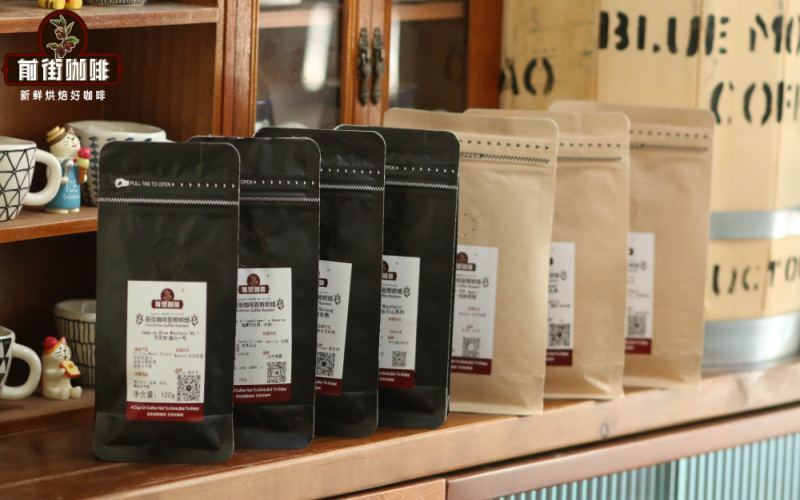
Blue Mountain Natural and Hacienda La Esmeralda Blue Label Geisha: How Two Processing Methods Reshape Classic Coffee Flavors
When Jamaica Blue Mountain first attempted natural processing, while Panama's Hacienda La Esmeralda extended the natural method to its Blue Label Geisha, an interesting intersection in processing methods emerged between two coffees representing Old World and New World styles. Front Street Coffee conducts a side-by-side comparison of washed and natural versions, systematically examining from green bean appearance, roasting curves, to cupping flavors how processing methods affect coffee's sweetness, aroma, and cleanliness, helping enthusiasts understand the essential differences and respective advantages of washed and natural processing. [more…]
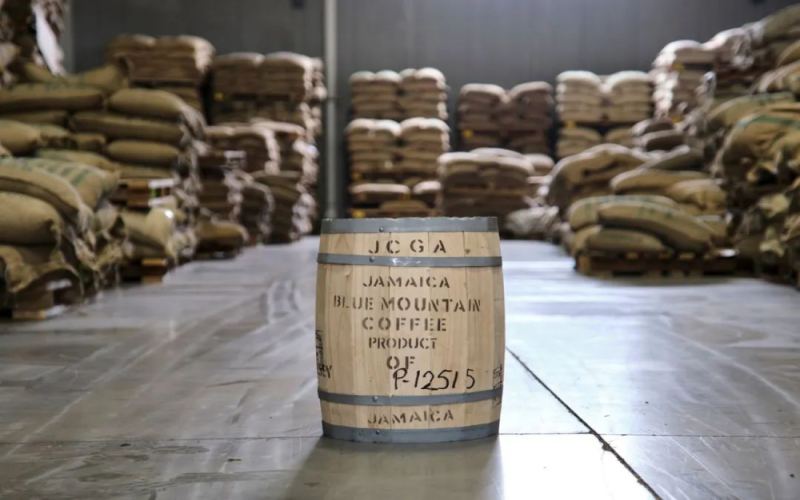
The Rare Code of Jamaican Blue Mountain Coffee: A Complete Analysis from Barrel Packaging to Flavor Tasting
Jamaican Blue Mountain coffee is world-famous for its high price and scarce production, but do you know why it uniquely uses wooden barrels to store green beans? From the restricted growing region at 1,000-1,700 meters above sea level to the strict government certification system, every step of Blue Mountain coffee is full of legend. This article will provide an in-depth analysis of the authentic origin standards of Blue Mountain coffee, the historical origins and practical value of its barrel packaging, and show you how Front Street Coffee, through careful roasting and brewing, presents the clean and bright flavor of washed Blue Mountain, as well as the unique charm of the emerging Geisha variety in the Blue Mountain region. Whether you are a seasoned enthusiast or a coffee lover just starting out, you can gain practical knowledge from it to distinguish authenticity and appreciate the flavor. [more…]
Blue Mountain No. 1 Pour-Over Coffee: Grind Size, Water Temperature Parameters, Suitable Groups, and Authenticity Guide
Blue Mountain No. 1 coffee beans have always been celebrated for their balanced, mellow flavor, but when it comes to pour-over, exactly what water temperature and grind size should you use? How do the washed and natural processing methods differ in their brewing performance? Starting from the growing region background of Front Street Jamaica Blue Mountain No. 1, this article provides a detailed analysis of the cultivation conditions and grading standards at Clifton Estate, offers a complete brewing recipe with a recommended water temperature of 88°C, a small Fuji ghost-tooth grinder setting of 4.5, and a coffee-to-water ratio of 1:15, and compares the flavor profiles of the natural and washed processes. It also lays out three key points to help readers identify authentic Blue Mountain coffee, and reviews the innovative breakthroughs in processing methods and varieties that Blue Mountain has seen in recent years. [more…]
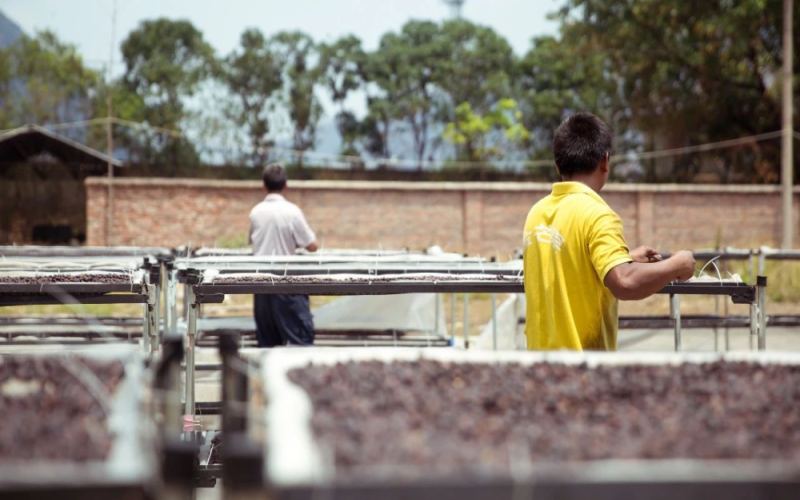
What's the difference between washed and natural coffee beans? Comparing flavor, sweetness, and processing method differences from Blue Mountain to Geisha
Washed and natural are the two most classic coffee processing methods. How do different processing methods affect the flavor direction of the same bean? Front Street Coffee uses Jamaica Blue Mountain No. 1 and Panama Hacienda La Esmeralda Blue Label Geisha as samples, comparing their washed and natural versions respectively, conducting a comprehensive analysis from processing principles, green bean appearance, roasting curves, to cup tasting flavors. The article also explains in detail the refined natural process, the details of washed fermentation, and the actual performance of the two processing methods in terms of sweetness, cleanliness, and layering, helping coffee enthusiasts understand the flavor logic that natural tends to be sweeter while washed tends to be cleaner. [more…]
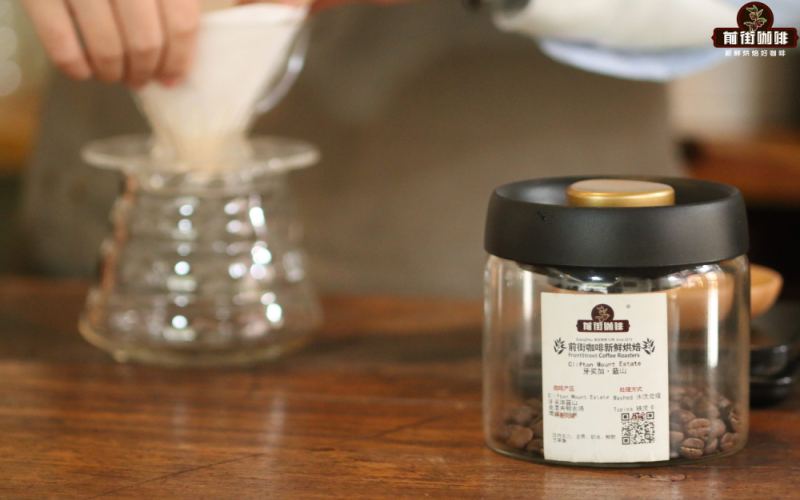
Complete Guide to Hand-Brewing Jamaican Blue Mountain Coffee: Water Temperature Control and Three-Pour Extraction Practical Guide
Blue Mountain coffee is famous for its balanced acidity, sweetness, and bitterness along with a full body, but to truly brew its classic flavor, water temperature, dripper, and pouring rhythm are all indispensable. This article begins with Blue Mountain coffee's origin certification and varietal background, and combines Front Street Coffee's roasting and brewing experience to break down in detail the pour-over parameters for medium-dark roasted Blue Mountain No. 1: 88°C water temperature, Kono Meimon dripper, 15g dose, 1:15 ratio, and the specific technique of pouring in three stages after blooming. It also compares the performance of Blue Mountain Geisha to help coffee lovers understand the flavor boundaries and brewing key points of this legendary bean. [more…]
A Comprehensive Analysis of Geisha Coffee: From Ethiopian Origins to Panama's Red, Green, and Blue Label Grading System
In the past dozen years or so, Geisha coffee has swept through major competitions, capturing more than twenty championship trophies, even eclipsing Blue Mountain and Hawaiian Kona. This legendary bean variety originated from the Gesha Mountains in southwestern Ethiopia, journeying through Kenya, Uganda, Tanzania, and Costa Rica, before finally achieving fame at Hacienda La Esmeralda in Panama. This article will guide you through the spread of Geisha, clarify the core differences between the three grades—Red Label, Green Label, and Blue Label—explore the real reasons behind its high price, and let you experience its stunning floral and fruity tea-like flavors. Whether you are new to it or already familiar, you will find practical purchasing references here. [more…]
A Review of the Top Ten Classic Black Coffee Bean Origins and Flavors: A Tasting Guide from Blue Mountain and Geisha to Mandheling
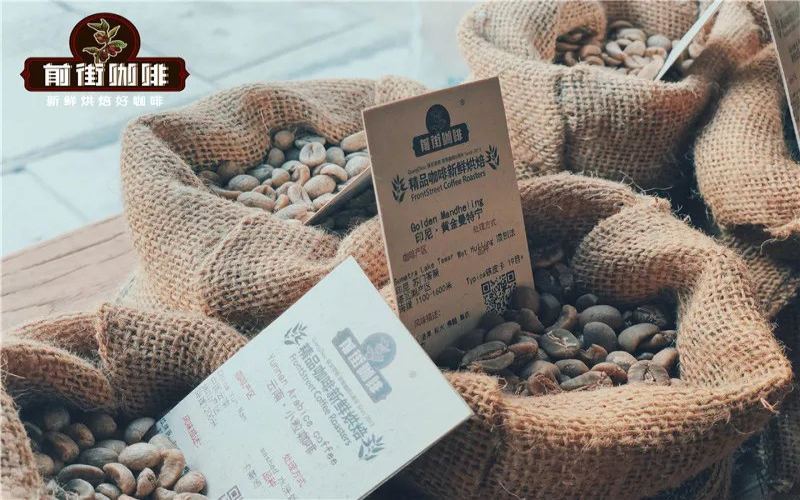
In the world of black coffee, coffee beans from different regions and varieties each tell their own unique flavor story. Front Street Coffee has selected ten representative coffee beans from around the world, covering Jamaican Blue Mountain, Panama Geisha, Indonesian Mandheling, Ethiopian Huakui, Kenyan Little Tomato, Brazilian Yellow Bourbon, Colombian Sidra, Papua New Guinea Bird of Paradise, Yunnan Typica, and Costa Rican Mozart. These beans include both classic famous varieties known for their balance and richness, and emerging contenders that win people over with bright fruit acidity and fermented sweetness. This article will go through each bean one by one, covering its origin background, variety characteristics, processing method, and flavor performance, helping coffee lovers find the cup that suits their taste. [more…]
Jamaica Blue Mountain vs. Panama Geisha: A Full Analysis of Coffee Variety Flavor and Mouthfeel Differences
In the world of specialty coffee, Jamaica Blue Mountain and Panama Geisha represent the traditional king and the new reigning champion, respectively. Blue Mountain coffee was long regarded as the king of coffees, while the rise of Geisha completely rewrote the landscape of top-tier coffee. Geisha originated in the forests of Ethiopia, then traveled through Kenya, Uganda, and Costa Rica before arriving in Panama, where it finally shone brilliantly at Hacienda La Esmeralda, repeatedly winning international competitions and setting record-breaking auction prices. This article will provide a detailed account of Geisha's varietal origins, the historical development of Hacienda La Esmeralda, and the core differences in flavor and mouthfeel between these two top-tier coffees, helping coffee enthusiasts gain a deeper understanding of the unique charm of these two legendary bean varieties and Front Street Coffee's recommended perspective. [more…]